Dreams of Dakhla
Words and photography by Angus Piper.
January 2025.
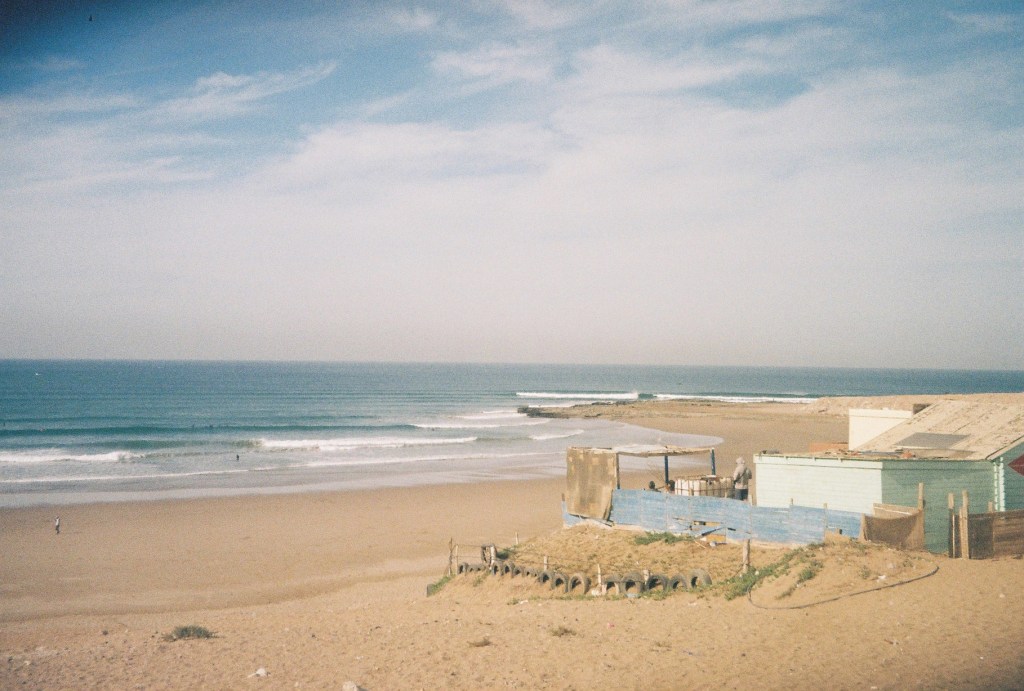
If you want to see the aftermath of apocalypse, drive to Dakhla. Under Moroccan control, at the edge of the western tentacles of the Sahara, lays a sandy peninsula where mystic blows in the howling wind, whispering the promises of the future. Projected to be the ‘Economic capital of Africa’, Dakhla has been a disputed territory for over 100 years between Morocco and the Sahrawi people, who were forced to flee to Algerian refugee camps in 1976, thus making it one of the longest ongoing refugee situations in history. This ongoing dispute has led to neglect, as sand covers entire streets and blows into the lobbies of empty hotels.
The service light shone bright in our Dacia Logan a new friend and I had rented for the trip. We asked the owner about the funny noises, blinking lights and whether it was up for a 3000 km journey with no insurance. His eyes burned bright with Moroccan charm and said ‘Inshallah’, shaking our hands and bidding us good luck in the desert.
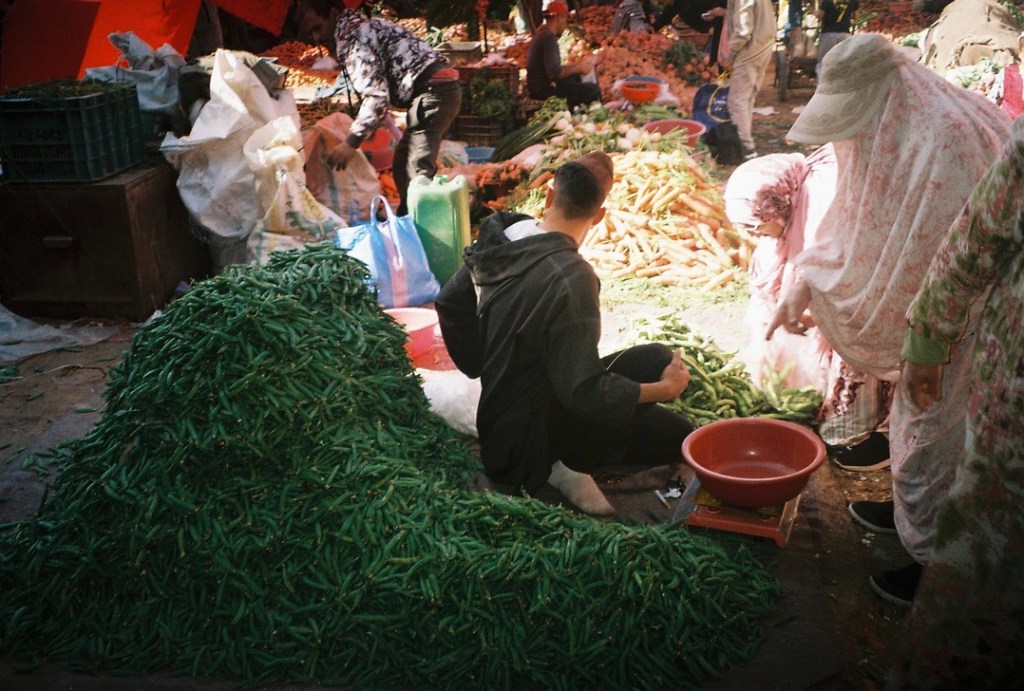
We hit the road hard, maybe too hard as I was 2 speeding fines deep after the first day, though I’m adamant I wasn’t speeding. We drove through valleys of desert dreams, drinking in dust through open windows and believing we were on another planet. The feeling of freedom on an empty road with no real plan was majestic, there was no right or wrong, only the whole continent of Africa to the south. On that first day we counted a record breaking 80 wild camels in an hour and not another human, they became camel companions, marking time and distance. Our first night in the seaside town Tantan felt eerie with few souls around and the sound of surf moving stones defining its feeling. Seafood was in abundance along with empty space. A lot busier in summer it must be.
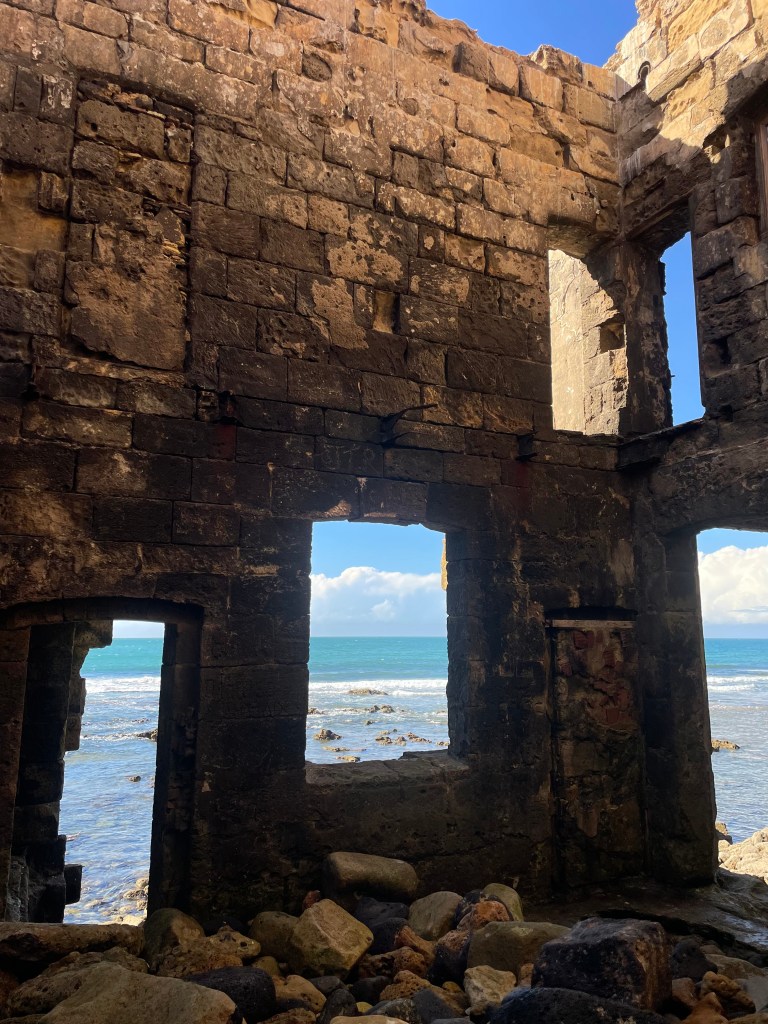
As we advanced south like the Moroccan army, the military presence increased, more checkpoints with more questions that only a surfboard could answer. An afternoon surf in the port town of Tarfaya, surrounded by crumbling ruins contributing to the reef felt surreal and seeing some other tourists was comforting before the long leg to Dakhla. An abandoned hotel we passed slowly filled with sand instead of people, prophesising the promise of Dakhla.
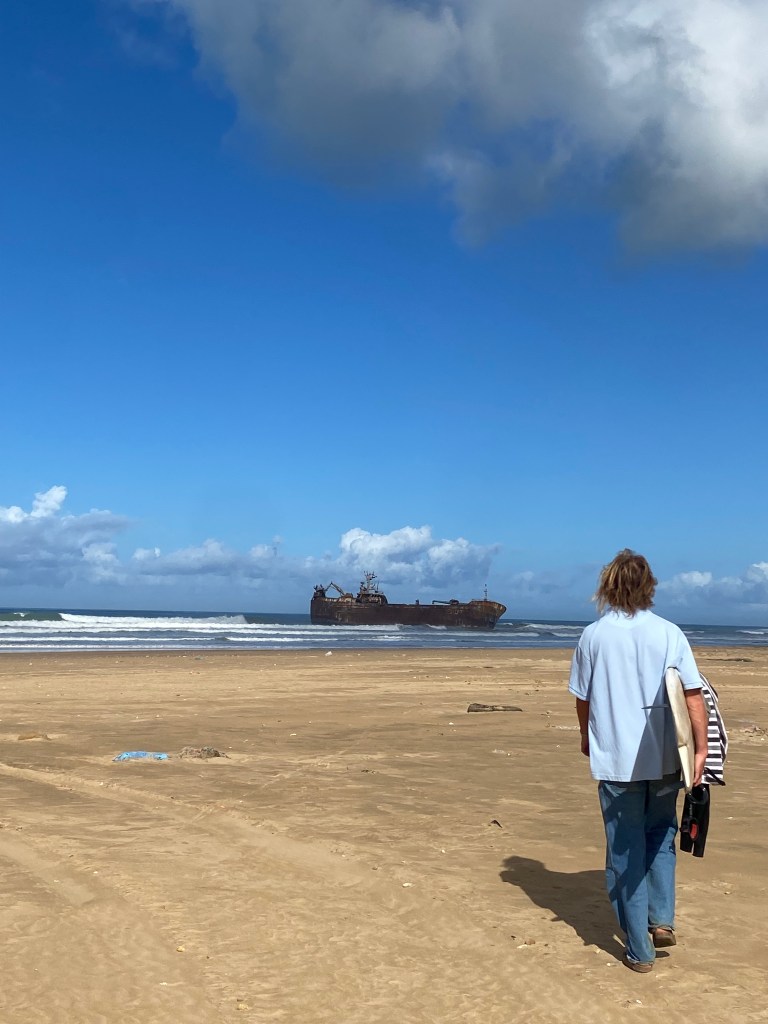
Pushing south into Western Sahara the wind picked up, as if it wanted us to drive off the road into the endless sand. We felt drawn each time we stopped and wandered into the dunes to continue on foot and never return. The world suddenly felt empty and uninhabited; the cities full of stressed minds felt very far away. Then, like a dream of an oasis, Laayoune appeared, breaking a sunset mirage. Our friend had dubbed Laayoune the ‘Las Vegas’ of Morocco and I agree in a way. A beautiful and clean city surrounded by the dunes, it could’ve been an ancient fortress. People smiled and laughed as we wandered packed streets, pestered in French we couldn’t understand and offered items we didn’t need. I even saw skateboarders cruising through perfectly paved plaza’s and grabbed my board, feeling connected to this strange dream.
As we got closer to Dakhla, the Dacia Logan shuddered in the heat, as if it knew we were close. I battled fatigue and an endless road in a city of windmills tainted by a devil red sunset. The sand turned to boulders littered like plants, many bearing graffiti from those who’ve passed and pondered. The Atlantic Ocean appeared far below as the road followed the cliff lines. Children held out bags of Oysters and nuts on the highway, covering their mouths from the sandy wind. Darkness enveloped us, picking up a bemused hitchhiker who laughed as I completed a hat-rick of speeding fines as we rolled onto the peninsula.
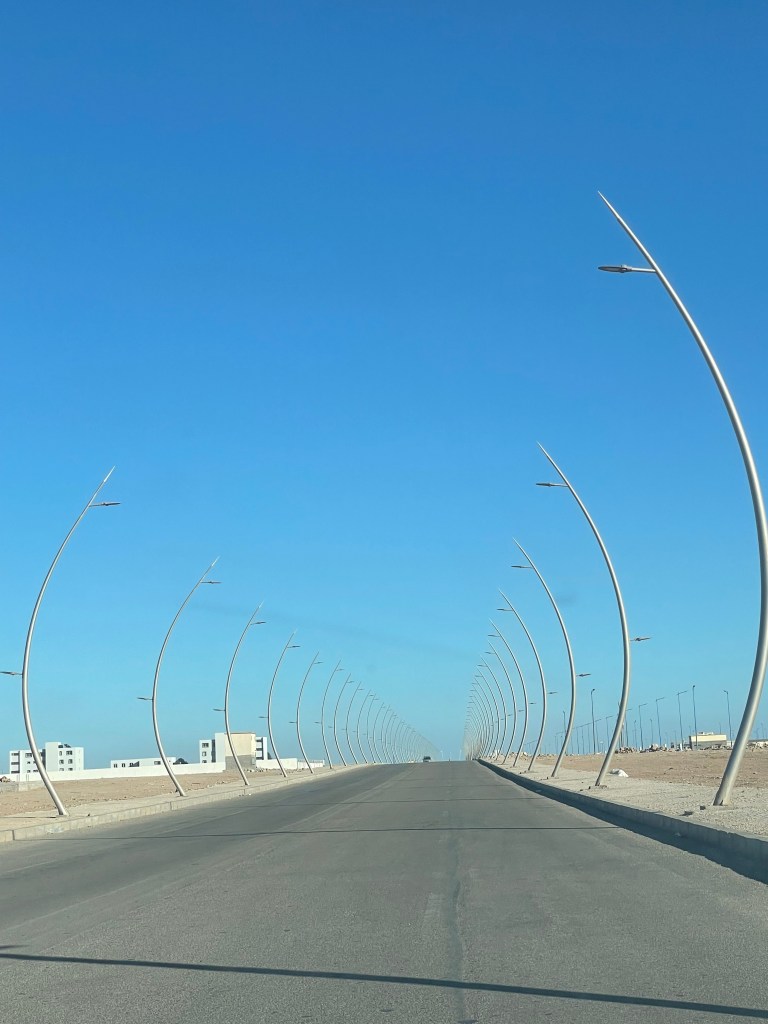
It was not the bright lights of Dakhla we saw, but that of the mammoth hotels that dwarfed traditional buildings like skyscrapers in the suburbs. The dream of Dakhla was real. We awoke to the ear-splitting sound of a jackhammer outside our place. We stayed on the lagoon side for as little as 7 euro per night but had to trot through a construction site full of deep unmarked pits to enter. The whole city seemed like it was on the brink of being knocked down, with miles of empty intertwining streets, vacant blocks with the seas of streetlights acting stars of the cloudy nights. In the morning, we would surf sand bottom point breaks that broke endlessly with local surfers who’d smile at you joining them in an otherwise empty lineup. It was peaceful yet the inequality was ravaging, 5-star resorts next to shanty towns separated by a dust bowl carpark. I’ve never seen a city quite like it, google maps was not your friend, everything seemed permanently closed or waiting for the crowds to come in like the afternoon trades.
We took a day trip to ‘La Dune Blanche’, probably the most Instagram-able spot on the peninsula, a white dune surrounded by the lagoon that seemed to shift as we spoke. Even with the howling winds and sand hitting you like snow there was an odd sense of peace in the air. We felt like proper explorers until a convoy of 4WD’s rocked up for the very same reason. As we drove back into the city, I couldn’t help but think that it was beautiful here once, and it will be again. A city of the sun and sand waiting for some great leap forward.
Piles of debris crowded sidewalks as kids played hide and seek. It was the end and beginning of the world, unified by the smiles of local fisherman hauling blue boats into the surf at dawn.
A child with bright eyes exclaimed ‘Free Sahrawi!’ with a hand in the air.
The sun dipped below the horizon and the ruins or foundations of a city coughed out sand.
